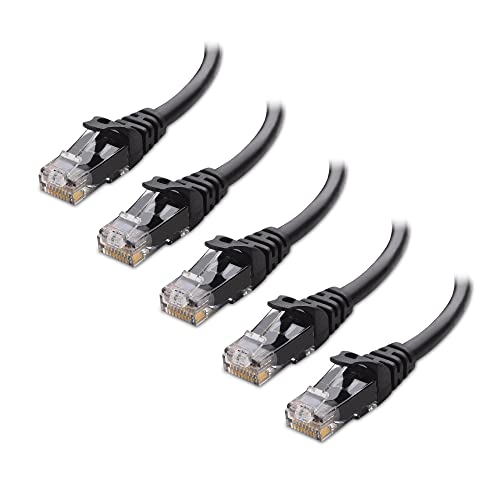
comparing cat6 and cat7 ethernet cables for home networks
As we progress further into 2026, the demand for faster and more reliable internet connections continues to grow, especially in our homes. Selecting the right ethernet cable can significantly impact your network performance. In this article, we will compare Cat6 and Cat7 ethernet cables to help you make an informed choice for your home network needs.
Understanding Cat6 Ethernet Cables
Cat6 cables have been a popular choice for home networking for several years. They support data transfer speeds of up to 10 Gbps over distances of up to 55 metres. For longer distances, they can effectively handle speeds of 1 Gbps up to 100 metres. The construction of Cat6 cables features thicker insulation and a tighter twist on the pairs of wires, which helps to reduce crosstalk and interference. This makes them suitable for streaming HD videos, online gaming, and other bandwidth-intensive applications.
Exploring Cat7 Ethernet Cables
Cat7 cables are the next step up in terms of performance. They are designed to support data transfer speeds of up to 10 Gbps as well, but can maintain this speed over distances of up to 100 metres. One of the standout features of Cat7 cables is their shielding. They typically have individual shielding for each twisted pair as well as an overall shield, which greatly reduces electromagnetic interference. This makes Cat7 ideal for environments with a high level of interference, such as those filled with electronic devices.
People Also Look For:
- 2025 Newes WiFi Booster, WiFi Range Extender, WiFi Repeater with Ethernet Port, 300 Mbps 2.4 GHz Range Extender, Quick WPS Set-Up,...
- 2025 Newest WiFi Extender, WiFi Booster, WiFi Repeater, Covers Up to 3000 Sq.ft and 45 Devices, Internet Booster - with Ethernet P...
- 2.5GbE Ethernet Switch 4-Port 2.5Gbps Network Switch 2-Port 10GbE SFP+ Slot Home Lab Switch Plug and Play ( Color : UK Adapter )
- Dell D6000 USB-C Triple Docking Station, Up to Three 4K Displays, UHD 5K, USB 3.0, Gigabit Ethernet, 130-Watt AC Adapter, Charges ...
- BENFEI 11-in-1 USB C MST Laptop Docking Station with Silicone Woven Design Cable, USB-C to 2*HDMI/1*VGA, to 3*USB 3.0/SD/TF Card R...
Performance Comparison
In terms of performance, both Cat6 and Cat7 cables offer significant advantages. Cat6 cables are adequately fast for most home applications, such as browsing, streaming, and gaming. However, if you are looking for future-proofing or if you have a smart home with multiple devices connected, Cat7 cables provide a more robust solution with better shielding and a higher potential bandwidth. The enhanced performance of Cat7 cables can be especially beneficial for users who engage in heavy data tasks like 4K video editing or high-speed data transfers.
Installation Considerations
When it comes to installation, Cat6 cables are generally easier to work with. They are more flexible and lighter, making them simpler to route through walls or ceilings. On the other hand, Cat7 cables are thicker and less flexible due to their additional shielding, which can complicate installation in tight spaces. If you're planning to run cables through existing conduits or in areas with limited space, Cat6 might be the more practical option. However, if you are building a new home or renovating, considering Cat7 from the outset can save you both time and money in the long run.
Cost Considerations
Cost is an essential factor for many when choosing between Cat6 and Cat7 cables. Generally, Cat6 cables are more affordable, costing less per metre than Cat7 cables. If you are on a tight budget and your home network does not require the high performance of Cat7, Cat6 remains a cost-effective solution. However, if your network demands higher bandwidth and lower interference, investing in Cat7 cables may prove worthwhile in the long term despite the higher upfront cost.
Compatibility with Devices
Both Cat6 and Cat7 cables are backward compatible with earlier ethernet standards. This means you can use them with older devices and routers without any issues. However, to take full advantage of the capabilities offered by Cat7, you will need to ensure that your networking equipment, such as routers and switches, support the higher speeds and functionalities. Checking the specifications of your devices before purchasing is critical for maximising your network performance.