navigating cable categories for your ethernet connection needs
In the ever-evolving world of technology, selecting the right Ethernet cable can significantly impact your internet experience. By 2026, understanding the various categories of Ethernet cables has never been more crucial, whether you are upgrading your home network or setting up a professional office. This guide will help you navigate through the available options to ensure you choose the best cable for your specific requirements.
Understanding Ethernet Cable Categories
Ethernet cables are categorised based on their performance capabilities, with each category designed for different speeds and bandwidths. The most common categories you will encounter are Cat5e, Cat6, Cat6a, Cat7, and Cat8. Each category not only differs in speed but also in the distance over which that speed can be maintained.
Cat5e: The Basic Workhorse
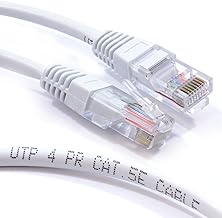
Cat5e cables are an enhanced version of the older Cat5 standard, capable of supporting speeds up to 1 Gbps over a distance of 100 metres. They are sufficient for standard activities like web browsing and streaming HD content. If you have a basic home network or are working with limited bandwidth demands, Cat5e cables are a cost-effective choice. However, they may not support higher speeds required in modern workplaces.
People Also Look For:
- Strong 5 Port Gigabit Ethernet Switch, High-Speed LAN Splitter, 10/100/1000 Mbps, Plug & Play Network Hub, Energy-Efficient, Silen...
- 2.5GbE Ethernet Switch 4-Port 2.5Gbps Network Switch 2-Port 10GbE SFP+ Slot Home Lab Switch Plug and Play ( Color : UK Adapter )
- 2025 Newest WiFi Extender, WiFi Booster, WiFi Repeater, Covers Up to 3000 Sq.ft and 45 Devices, Internet Booster - with Ethernet P...
- UGREEN Ethernet Cable 2M, Cat 8 Internet Cable Flat High-Speed 40Gbps 2000Mhz Network Cable, Gigabit Braided RJ45 LAN Cable Patch ...
- jojobnj 4K HDMI Cable 10m, High Speed HDMI 2.0 Cord 4K@60Hz 18Gbps, Ultra HD,Ethernet Audio Return,Video 4K,1080p,3D,Arc, HDR Comp...
Cat6: The Balanced Performer
For those who require faster speeds and better performance, Cat6 cables are a substantial upgrade. They support speeds of up to 10 Gbps but only over short distances of up to 55 metres. This makes them perfect for high-bandwidth applications such as gaming and 4K streaming. Furthermore, Cat6 cables have improved shielding, reducing interference and enhancing overall performance in environments with multiple devices.
Cat6a: The Future-Proofing Option
Cat6a, or augmented Cat6, takes things a step further with support for 10 Gbps speeds up to 100 metres. This category is designed for high-performance networking environments, making it ideal for businesses or homes that require robust internet connections. With better shielding than Cat6, Cat6a cables can handle crosstalk and reduce interference more effectively, making them suitable for dense wiring installations.
Cat7: The Specialist Cable
Cat7 cables support speeds of up to 10 Gbps over 100 metres and come with even more advanced shielding. This category is often used in data centres and enterprise-level applications where high-frequency signals and reduced interference are paramount. While Cat7 cables can be more expensive, they offer superior performance, making them a choice for those with demanding connectivity needs.
Cat8: The High-Speed Champion
For the cutting-edge of Ethernet technology, Cat8 cables are the most advanced option available in 2026. These cables can support speeds of up to 40 Gbps over short distances of up to 30 metres. Ideal for data centres and high-performance computing environments, Cat8 cables are designed for low latency and high data rates. While they may not be necessary for standard home users, they represent the gold standard for professional settings.
Choosing the Right Cable for Your Needs
When selecting the right Ethernet cable for your situation, consider your specific usage requirements. For everyday tasks like browsing and streaming, Cat5e or Cat6 should suffice. However, if you are engaging in activities that demand higher bandwidth or plan to future-proof your network, investing in Cat6a or higher is wise. Always ensure that your network hardware, such as routers and switches, can support the cable category you choose to maximise performance.
Final Considerations
In addition to cable categories, consider the quality of the cables you purchase. Look for reputable manufacturers and check for certifications such as UL and ETL to ensure you receive a reliable product. The length of the cable can also impact performance, so avoid excessively long runs that could lead to signal degradation. With the right knowledge and considerations, you can navigate the cable categories confidently to meet your Ethernet connection needs in 2026.